Featured
Table of Contents
While new debt can assist you rebuild, it's important to room out your applications. If you have a relative or friend with stellar credit report, consider inquiring to include you as an accredited customer on among their credit history cards. If they do it, the full history of the account will certainly be included in your credit records.
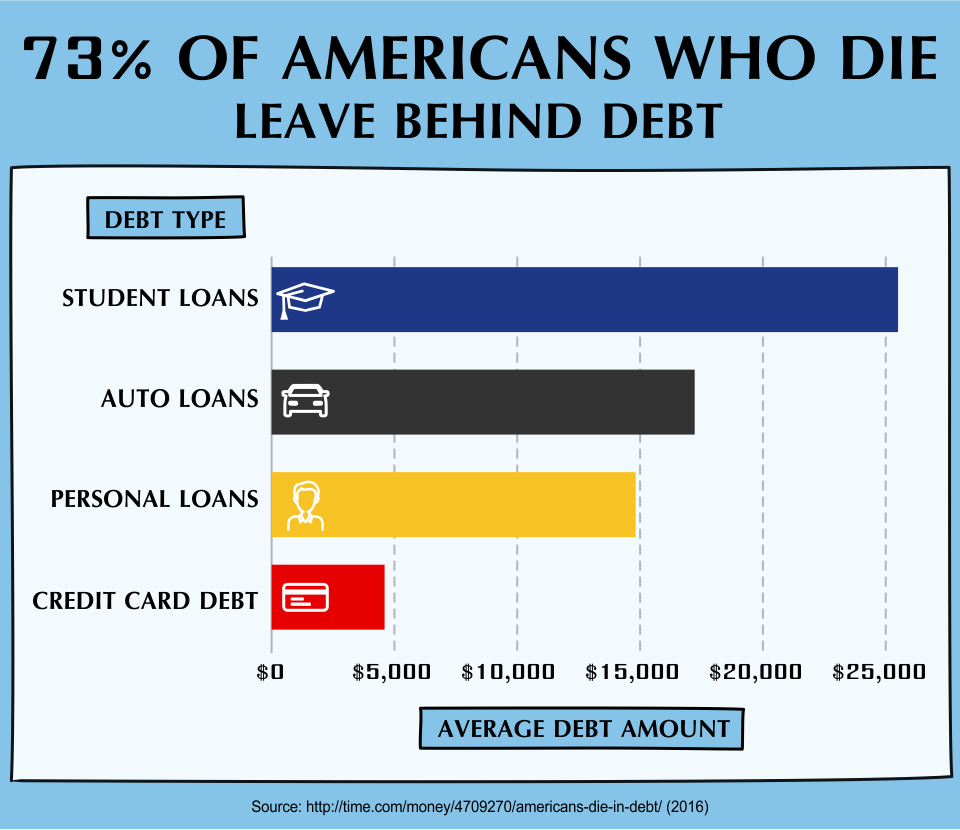
Prior to you consider debt negotiation or bankruptcy, it's vital to recognize the possible benefits and negative aspects and exactly how they may relate to your situation. Right here's what to maintain in mind. Both choices can reduce or eliminate huge portions of unprotected financial debt, assisting you prevent years of unmanageable payments. Working out a financial debt or declare personal bankruptcy can stop suits, wage garnishments, and hostile creditor actions.
If you're not sure that financial obligation negotiation or personal bankruptcy is appropriate for you, below are a few other financial debt relief options to think about. The proper way will rely on your scenario and objectives. If you have some adaptability with your budget plan, below are some increased financial debt payment options you can pursue: Beginning by detailing your debts from the smallest to the largest balance.
Fascination About True Experiences of Individuals Who Achieved Relief
The therapist negotiates with creditors to reduced rates of interest, waive late costs, and produce a manageable monthly repayment. You make one consolidated repayment to the agency, which after that pays your monetary institutions. While a DMP doesn't decrease the major equilibrium, it aids you settle financial debt faster and extra affordably, commonly within 3 to five years.
While you can bargain with creditors by yourself, it's frequently a complicated and taxing process, particularly if you require to deal with a big amount of financial obligation across numerous accounts. The procedure requires a strong understanding of your finances and the creditor's terms along with confidence and persistence. For this reason, there are financial obligation relief firms likewise recognized as debt settlement firms that can take care of the negotiations for you.
Individuals that sign up in financial debt alleviation programs have, generally, about $28,000 of unprotected financial debt throughout almost 7 accounts, according to an analysis commissioned by the American Organization for Financial Obligation Resolution, which checked out customers of 10 major financial debt relief firms in between 2011 and 2020. Regarding three-quarters of those customers contended the very least one financial debt account effectively cleared up, with the regular enrollee settling 3.8 accounts and even more than half of their registered financial debt.
It's common for your credit rating to fall when you initially begin the financial obligation alleviation procedure, specifically if you quit making repayments to your financial institutions. As each debt is worked out, your credit rating ought to begin to rebound. Be sure you understand the overall costs and the impact on your credit history when examining if debt negotiation is the appropriate choice.
Indicators on Typical Myths Regarding Virtual Wallets and Mobile Payments: Your Complete Guide to Digital Financial Security : APFSC You Need To Know
As pointed out above, there are options to financial obligation negotiation that might be a better fit for your financial situation. Below's a quick malfunction of just how each alternative works: Debt debt consolidation allows you integrate numerous debts right into one by taking out a brand-new finance to pay off your present financial obligations. This technique transforms multiple debts right into a solitary regular monthly payment and frequently uses a lower rates of interest, streamlining your financial resources and potentially conserving you money in time.
Right here's just how every one works: Debt debt consolidation fundings: These are individual loans that you can use to resolve your existing financial debts, leaving you with simply one regular monthly expense, commonly at a reduced rates of interest. Balance transfer charge card: This involves relocating your existing bank card equilibriums to a new bank card that provides a lower rates of interest or an advertising 0% APR for a collection period.
As soon as the duration finishes, rates of interest will certainly be considerably high typically over 20%. Home equity car loans or HELOCs (home equity lines of credit): These finances permit you to borrow versus the equity in your house. You obtain a round figure or a line of debt that can be made use of to repay debts, and you generally profit from reduced rate of interest prices compared to unprotected finances.
Monetary Implications What You'll Pay for Virtual Wallets and Mobile Payments: Your Complete Guide to Digital Financial Security : APFSC for Beginners
These plans have numerous benefits, such as simplifying your settlements by consolidating several right into one and possibly reducing your rate of interest. They usually come with an arrangement cost ranging from $30 to $50, and a month-to-month upkeep charge of around $20 to $75, depending on the company you function with.
Having a great deal of debt can be overwhelming, but it's still critical to make the effort to take into consideration the details of different services so you recognize any type of prospective risks. The ideal financial debt plan for you relies on your economic situation. If you're battling with your expenses however still haven't missed out on any kind of payments, a financial obligation monitoring strategy could be a great fit specifically if you do not desire your credit history to container.
Whichever your scenario is, consider talking with a certified credit score therapist, an insolvency attorney, or a qualified financial obligation expert before progressing. They can assist you get a full understanding of your funds and alternatives so you're much better prepared to choose. An additional factor that influences your alternatives is the kind of financial debt you have.
It is necessary to recognize that a discharge stands out from financial obligation forgiveness, and financial obligation does not obtain "forgiven" through an insolvency declaring. Our West Hand Coastline insolvency attorneys can discuss in more information. In basic, "debt forgiveness" refers to a scenario in which a lender does not believe it can collect the full quantity of the financial obligation owed from a debtor, and either stops trying to gather or accepts forgive a quantity less than what the debtor owed as component of a financial obligation negotiation arrangement.
The Single Strategy To Use For Building a Healthy Financial Plan for Lasting Success
When this happens, the financial debt will be taken into consideration "terminated" by the IRS, and the debtor will usually receive a termination of debt create the amount of financial obligation forgiven is taxable. In an insolvency situation, financial obligation is not forgiven by a creditor. Rather, it is discharged by the bankruptcy court, and discharge has a various significance from financial obligation forgiveness.

Table of Contents
Latest Posts
The 25-Second Trick For Developing a Personalized Journey to Relief
7 Easy Facts About Recent Laws Affecting The Ethics of Debt Relief: Balancing Client Advocacy with Credit System Integrity Options Explained
Actionable Guidance to Recover Your Finances Fundamentals Explained
More
Latest Posts
The 25-Second Trick For Developing a Personalized Journey to Relief
Actionable Guidance to Recover Your Finances Fundamentals Explained